Nourish the Fundamentals: A Guide to Smart Supplementing

Brian England, CF-L1, PN1-NC; Lauren Hafner, CF-L1; Walter M. Hafner, PT, DPT, CF-L2, USAW-L1 • July 7, 2026

As athletes, our muscles and body are under constant fatigue and stress from the high-intensity, functional movements we demand of them. To stay at peak performance, the foundations never change: eat a whole-food diet, sleep well, take rest days, and stay hydrated.

Yet, even with these habits dialed in, certain supplements—backed by decades of research—can give you an extra edge, helping you recover quicker, train harder, and support long-term health.

In this article, we'll cover three proven supplements— magnesium, creatine, and protein powder

Before we dive into the research, we strongly encourage you to get a blood panel twice a year . Blood work reveals deficiencies you may not feel day-to-day. The most common deficiencies may include:

  • Vitamin D : Low levels are tied to weaker bones, frequent illness, poor muscle recovery, and low mood. [1]
  • Vitamin K : Deficiency can impair bone strength and blood clotting, especially when Vitamin D is also low.
  • Iron : Commonly low in women and endurance athletes; can cause fatigue, weakness, and reduced performance.
  • Vitamin B12 : Deficiency leads to low energy, nerve issues, and anemia; risk is higher for vegans/vegetarians. [2]
  • Magnesium : Low intake contributes to muscle cramps, poor sleep, and sluggish recovery.
  • Calcium : Insufficient levels weaken bones and muscles, often going hand-in-hand with low Vitamin D.
  • Iodine : Deficiency can impair thyroid function, leading to fatigue, weight changes, and brain fog.
  • Omega-3 fatty acids : Low levels are linked to inflammation, slower recovery, and poor heart/brain health. [3]

Think of blood work as a blueprint for your health, helping you know when to tweak your diet or support it with smart supplementation.

Magnesium: Muscle Recovery, Brain Function, and Sleep

Magnesium supports over 300 enzymatic reactions , including muscle contraction, nerve signaling, energy production, and sleep regulation. [4]

  • Why it matters for Athletes: Heavy training depletes magnesium faster through sweat and urine. Deficiency has been linked to cramping, reduced endurance, slower recovery, impaired insulin sensitivity, and disrupted sleep.
  • Why diet isn't enough: While spinach, pumpkin seeds, and legumes contain magnesium, modern diets and soil depletion leave nearly 50% of people below the recommended intake. [5]
  • Research benefits: Supplementation improves sleep quality and reduces exercise-induced muscle damage. [6],[7]
  • Best forms:
    • Magnesium Glycinate: Highly absorbable and naturally calming, supports sleep, stress regulation, and muscle relaxation. It's gentle on the stomach and ideal for athletes focused on recovery or relaxation.
    • Magnesium L-Threonate: Specifically designed to cross the blood–brain barrier, threonate supports cognitive function, memory, mood, and may help reduce brain fog. It also promotes restful sleep by calming the nervous system.
    • Magnesium Citrate: Well absorbed and often used for digestive support, citrate can ease constipation while still supporting muscle and nerve function. In high doses, it may cause loose stools.
  • Single vs. Blended Forms: Glycinate is often the go-to for sleep, stress, or recovery; threonate is best for cognitive support; and citrate is most useful for digestion. Many athletes prefer a blend to cover multiple systems—muscular, neurological, and digestive—since no single form addresses everything.
  • Dosing: Aim for 310–420 mg/day total (food + supplement).
    • Split Dosing : magnesium is better absorbed in smaller doses
    • Evening Focus : Save glycinate for bedtime; other forms can be spread throughout the day
    • Avoid GI Upset: Citrate in high doses may cause loose stools—balance with glycinate to reduce that side effect.

Creatine: Strength, Power, and Cognitive Boost

Creatine is one of the most researched sports supplements and helps regenerate ATP (adenosine triphosphate) —the molecule your muscles use for energy during contractions. [8] When ATP is used for energy, it becomes ADP (adenosine diphosphate). Your body then has three systems to recycle ADP back into ATP: the phosphagen system (fast), glycolysis (medium speed), and the oxidative system (slower, for longer activity) [9]. The phosphagen system relies on phosphocreatine to quickly restore ATP, which is why creatine is so important for short, high-intensity efforts like sprints, heavy lifts, and explosive CrossFit movements.

Your body makes some creatine (about 1g/ day) naturally in the kidneys, liver, and pancreas from amino acids, and you can get a small amount from foods like red meat and fish (~1–2 g per pound). [10] But to reach the optimal 5 g per day , you'd need to eat roughly 2.5 pounds of steak every day —not very practical! That's why supplementing with creatine monohydrate is recommended to consistently support strength, power, and workout intensity.

  • Why it matters for Athletes: Boosts power output, reduces fatigue between sets, and aids recovery. [11]
  • Why diet isn't enough: Even red meat and fish, the richest sources, only supply ~1–2g per pound. You'd need ~2.5 lbs of steak daily to hit the optimal 5g.
  • Research benefits: Improves muscle mass, sprint performance, and strength , plus emerging evidence shows benefits for memory and brain health . [12]
  • Dosing:
    • Standard: 3–5 g/day, consistently.
    • Weight-based: ~0.045 g per lb bodyweight/day. [10]
      • At the safe recommended dose of 0.045 g per pound of bodyweight, anyone weighing over 111 pounds may benefit from taking more than 5 g of creatine per day. [13]
    • Loading phases are optional —steady dosing works just as well.
  • Form: Stick with creatine monohydrate —it's safe, cheap, and effective.

Common Misconceptions About Creatine [11]

1) Creatine just causes water retention and bloating

Reality: Creatine increases intracellular water inside muscle cells (cell volumization), not subcutaneous water. This supports muscle growth and recovery, not "puffiness" or bloating. Studies seem to indicate that short term water retention can occur (several days) but is less common with long term use. [11] Meaning, it is possible you may experience water retention the first few days of using creatine but then your body is likely to return to baseline water retention.

2) You need a loading phase to see results

Reality: Loading (20 g/day for 5–7 days) saturates muscles faster, but consistent daily dosing of 3–5 g/day achieves the same saturation in ~3–4 weeks without the GI upset from loading. [11]

3) Creatine is only for bodybuilders

Reality: Creatine benefits all athletes, including CrossFitters, runners, and older adults. It improves strength, power, recovery, and even cognitive function . [12]

4) Creatine is bad for your kidneys or liver

Reality: Research shows long-term creatine use is safe in healthy individuals when taken at recommended doses. Issues only arise in people with pre-existing kidney disease. [14]

5) Creatine is a steroid

Reality: Creatine is not a hormone; it's a naturally occurring compound in meat and fish that helps regenerate cellular energy (ATP).

Protein Powder: Convenient, But Not a Meal Replacement

Protein is crucial for muscle repair and adaptation. While most athletes should aim for 0.7–1.0 g per pound of bodyweight daily , it can be hard to hit those numbers with food alone. Daily schedules, busy lifestyles, and limited meal prep time often make it challenging to consume enough high-quality protein consistently. This is where supplemental protein, like shakes or powders, can be convenient to help meet your daily needs. However, they should be viewed as a supplement to whole foods, not a replacement for balanced meals, which provide additional nutrients, fiber, and healthy fats essential for overall health and performance.

  • Why it matters for Athletes: Intense training breaks down muscle fibers—protein accelerates repair and growth improving recovery.
  • Why diet isn't always enough: Whole foods (meats, eggs, legumes, dairy, and tofu) provide the best nutrition, but busy schedules and post-workout timing often make it difficult to get enough protein from meals alone.
  • Research benefits: Adequate protein boosts recovery and reduces soreness. [15]
  • Protein powder use:
    • Serving size: ~20–30 g per serving.
    • Limit: ~25 g per serving—enough for muscle synthesis without overload. You can consume ~40-50 g of protein powder in a day. Consuming large amounts of protein powder can lead to side effects like bloating, gas, and cramping, and may displace nutrient-dense whole foods from your diet, which provide essential vitamins, minerals, and fiber.
    • Use cases: Post-workout, travel, or when daily intake falls short.
  • What to look for in a protein powder: Low sugar (<5 g), moderate calories (100–200), high protein from clean sources, minimal ingredient list

Final Takeaway

Supplements can't replace hard work, rest, and real food—but they can give you an edge. For CrossFit athletes, magnesium, creatine, and protein powder are evidence-based tools to support recovery, strength, and performance.

Build the foundation with whole foods—then use supplements strategically to fuel not just workouts, but long-term health.

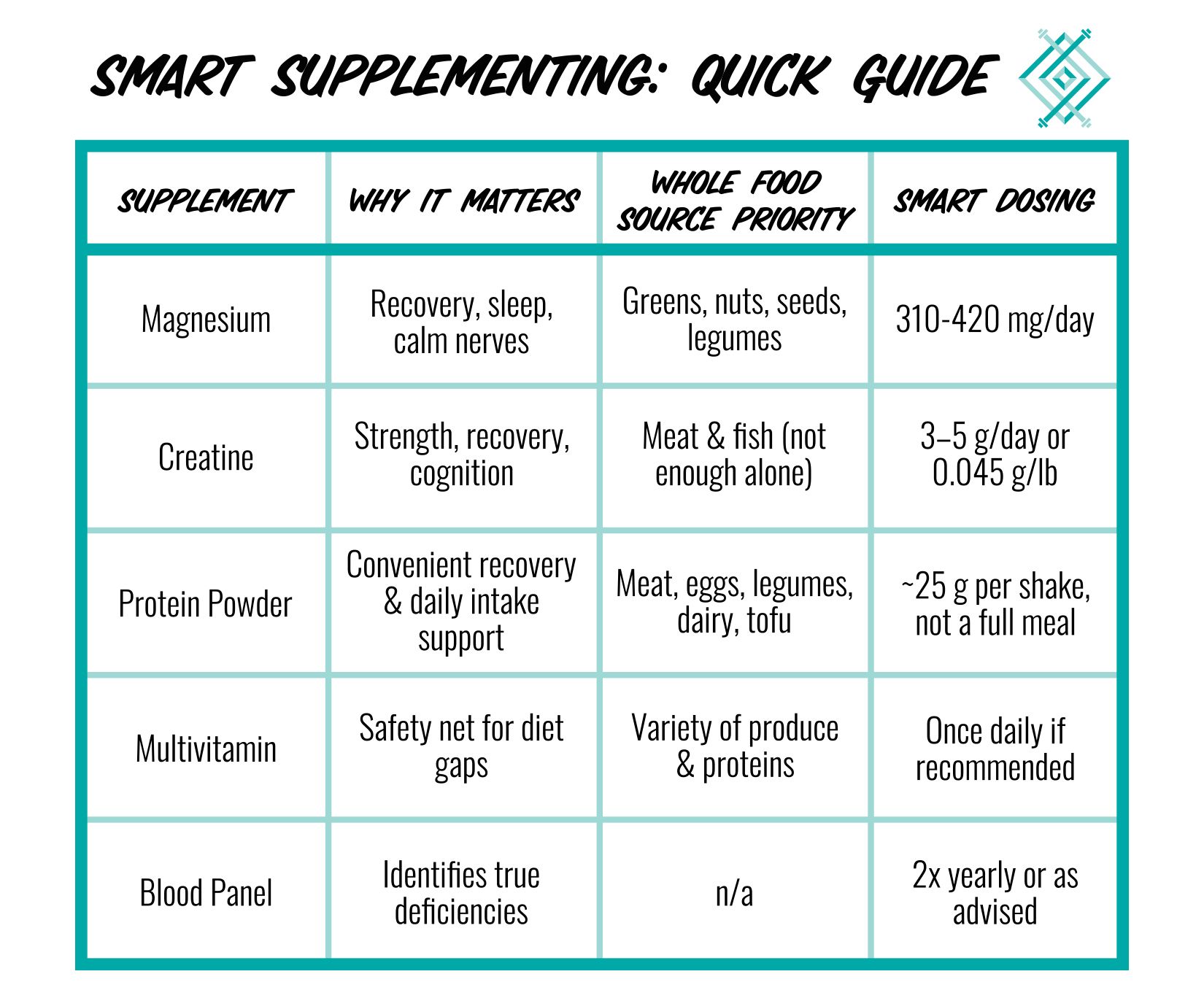
Smart supplementing chart listing magnesium, creatine, protein powder, multivitamin, and fish oil benefits and dosages.

References

[1] Kaur, J., Khare, S., Sizar, O., & Givler, A. (2025). Vitamin D deficiency. In StatPearls. StatPearls Publishing.

[2] Ankar, A., & Kumar, A. (2024). Vitamin B12 deficiency. In StatPearls. StatPearls Publishing.

[3] Dighriri, I. M., et al. (2022). Effects of Omega-3 Polyunsaturated Fatty Acids on Brain Functions: A Systematic Review. Cureus, 14(10), e30091.

[4] U.S. Department of Health & Human Services, National Institutes of Health, Office of Dietary Supplements. (2016). Magnesium — Fact sheet for health professionals.

[5] Volpe, S. L. (2013). Magnesium in disease prevention and overall health. Advances in Nutrition, 4(3), 378S–383S.

[6] Breus, M. J., Hooper, S., Lynch, T., & Hausenblas, H. A. (2024). Effectiveness of magnesium supplementation on sleep quality and mood for adults with poor sleep quality. Medical Research Archives, 12(7).

[7] Tarsitano, M. G., et al. (2024). Effects of magnesium supplementation on muscle soreness in different type of physical activities. Journal of Translational Medicine, 22, Article 629.

[8] Guimarães-Ferreira, L. (2014). Role of the phosphocreatine system on energetic homeostasis in skeletal and cardiac muscles. Einstein (São Paulo, Brazil), 12(1), 126–131.

[9] Haff, G. G., & Triplett, N. T. (Eds.). (2016). Essentials of strength training and conditioning (4th ed.). Human Kinetics.

[10] Cooper, R., Naclerio, F., Allgrove, J., & Jimenez, A. (2012). Creatine supplementation with specific view to exercise/sports performance: An update. Journal of the International Society of Sports Nutrition, 9(1), Article 33.

[11] Antonio, J., et al. (2021). Common questions and misconceptions about creatine supplementation. Journal of the International Society of Sports Nutrition, 18, Article 13.

[12] Xu, C., Bi, S., Zhang, W., & Luo, L. (2024). The effects of creatine supplementation on cognitive function in adults. Frontiers in Nutrition, 11, Article 1424972.

[13] Kreider, R. B., et al. (2017). International Society of Sports Nutrition position stand: Safety and efficacy of creatine supplementation. Journal of the International Society of Sports Nutrition, 14, Article 18.

[14] Brose, A., Parise, G., & Tarnopolsky, M. A. (2015). Effect of creatine supplementation during resistance training on lean tissue mass and muscular strength in older adults. Open Access Journal of Sports Medicine, 6, 267–275.

[15] Schoenfeld, B. J., Aragon, A. A., & Krieger, J. W. (2013). The effect of protein timing on muscle strength and hypertrophy: A meta-analysis. Journal of the International Society of Sports Nutrition, 10, Article 53.

Recent Posts

Two athletes jumping over wooden boxes in a competition area with an American flag backdrop at Fortitude Fitness
By Walter M. Hafner, PT, DPT, CF-L2, USAW-L1 July 7, 2026
Discover how to measure your workout intensities using heart rate, lactate thresholds, perceived exertion, and the talk test.

Two sleeping children lying under blankets on a bed, one holding a stuffed toy
By Walter M. Hafner, PT, DPT, CF-L3, USAW-L1 July 7, 2026
Learn why sleep is essential for mental health, hormone balance, recovery, and long-term wellness. Discover the stages of sleep, the science behind circadian rhythms, and practical strategies like the R90 method to improve sleep quality and consistency.
Abstract runners in red, gray, and blue sprinting left to right on a white background
By Walter M. Hafner, PT, DPT, CF-L2, USAW-L1 July 7, 2026
Learn how your muscles create energy at the cellular level. This article breaks down the three energy systems—phosphagen, glycolysis, and oxidative—and explains how they fuel movement, laying the foundation for understanding how different training intensities affect our body.
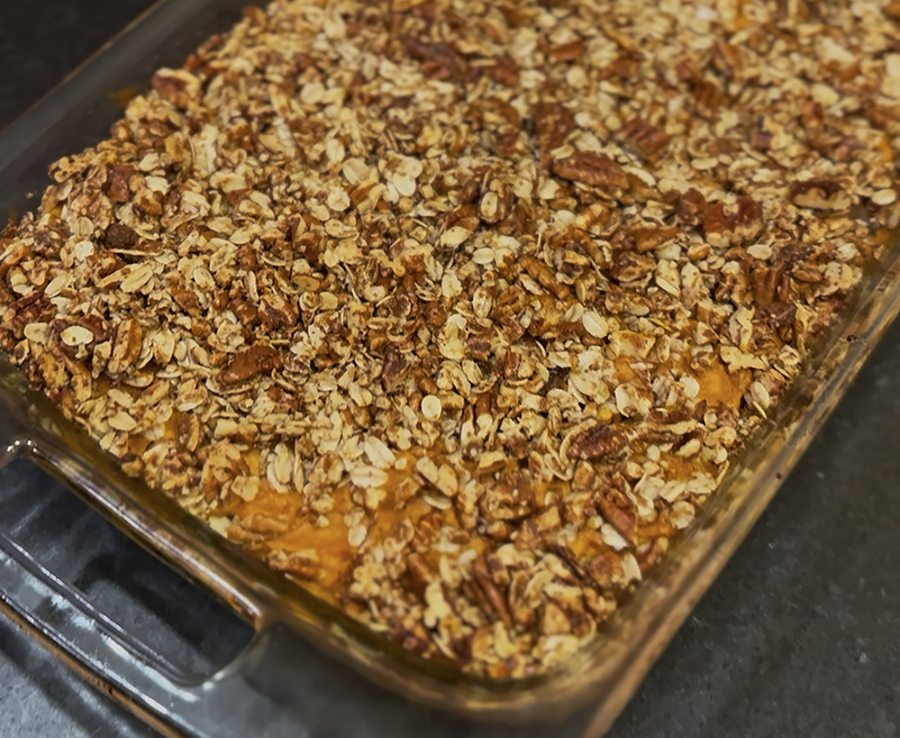
Baked oat and nut topping in a glass baking dish on a dark countertop
By Lauren Hafner, CF-L2 July 7, 2026
A lighter take on my favorite Thanksgiving side: a gluten-free, dairy-free Sweet Potato Soufflé with a crunchy pecan topping. Less sugar, big flavor. Plus, the history behind sweet potatoes at Thanksgiving and a full nutrition comparison so you can enjoy every bite guilt-free.
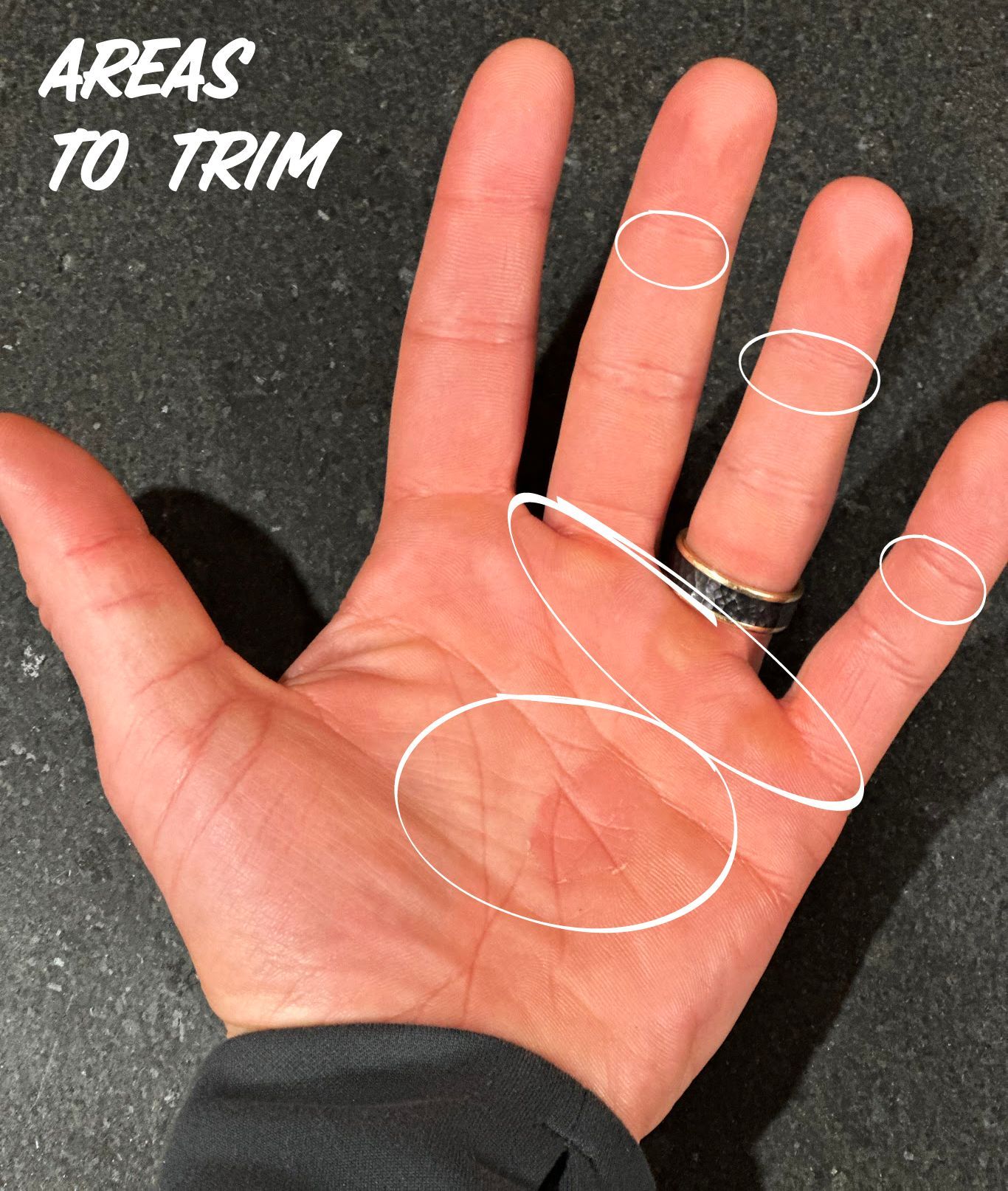
Open palm with white circles marking areas to trim on fingers and palm, labeled
By Walter M. Hafner, PT, DPT, CF-L2, USAW-L1 July 7, 2026
Protect your hands during CrossFit workouts with proper callus management. Learn why trimming calluses is essential, how to do it correctly, and what to do if you rip your skin. Discover the best hand grips and care tips to keep your palms healthy and your training on track.
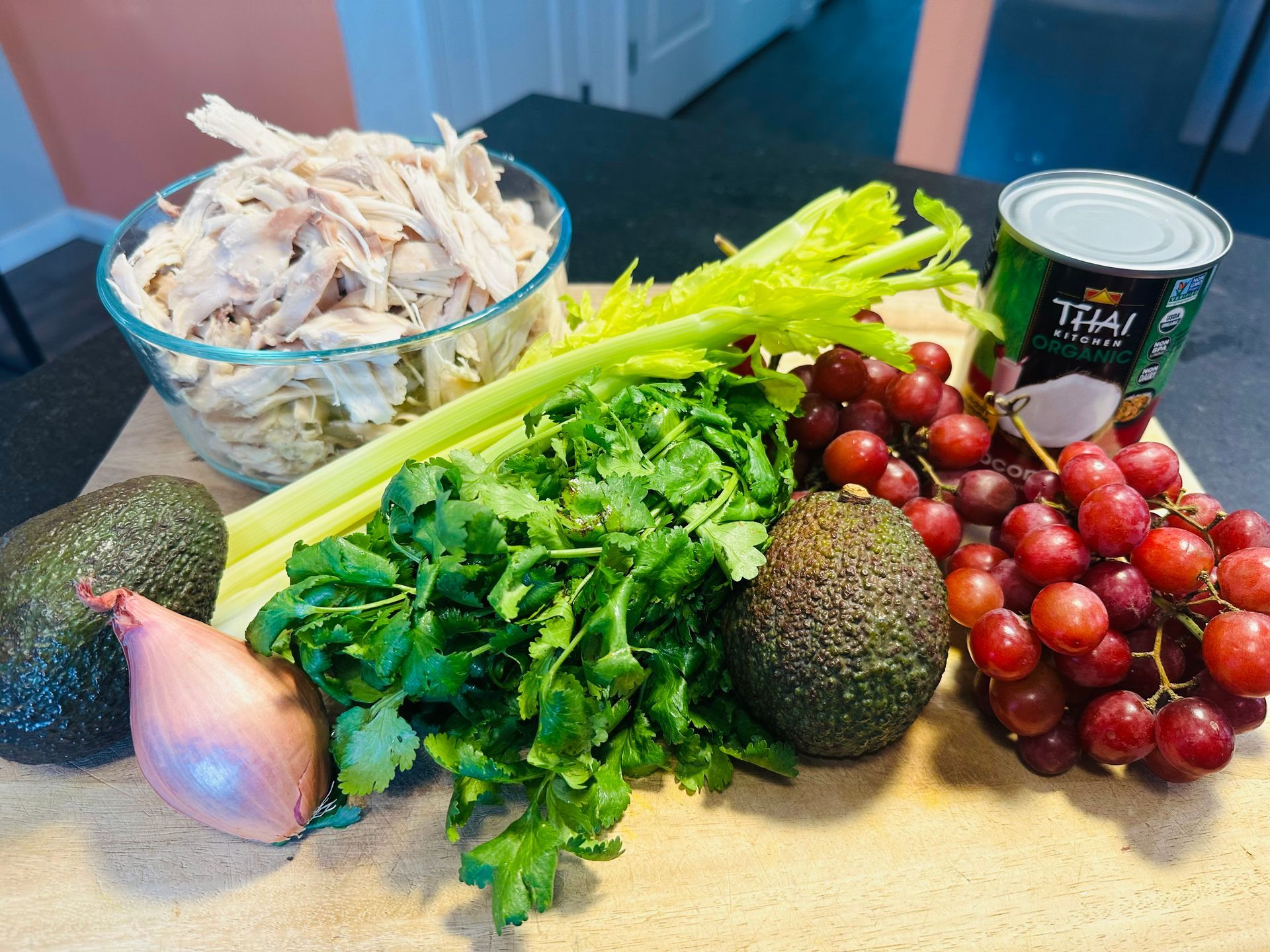
Ingredients on a counter: shredded chicken, avocado, cilantro, onions, tomatillos, tomatoes, and a can of broth
By Lauren Hafner, CF-L1 July 7, 2026
Discover a delicious, nutrient-packed AIP chicken salad recipe inspired by my autoimmune journey. This easy meal supports inflammation reduction and fuels your body with healthy fats and protein. Perfect for anyone navigating autoimmune health or looking for wholesome eats!
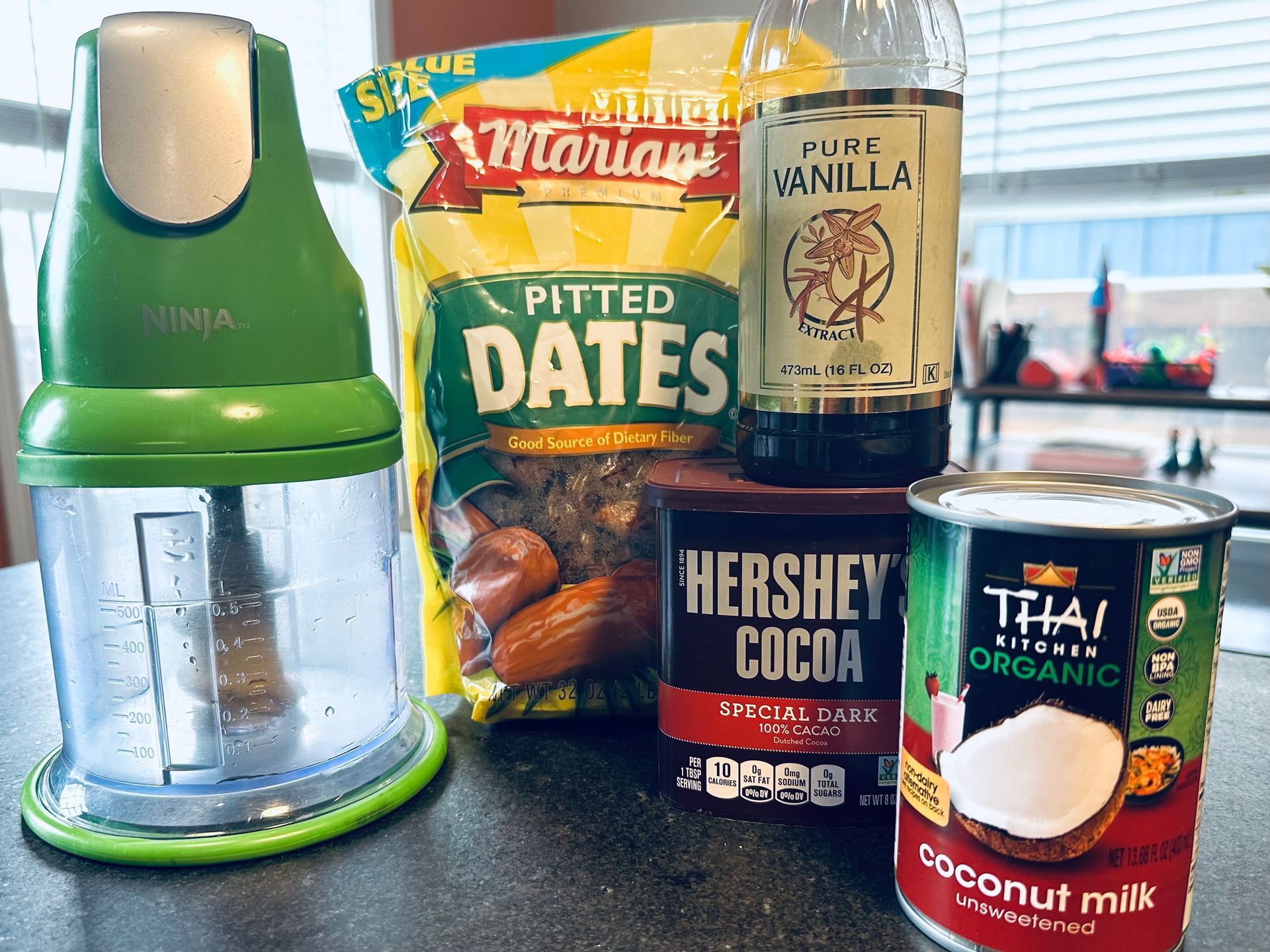
Green citrus juicer beside dates, vanilla, cocoa, and coconut milk ingredients on a kitchen counter
By Lauren Hafner, CF-L1 July 7, 2026
An easy 4-ingredient AIP-friendly dessert.
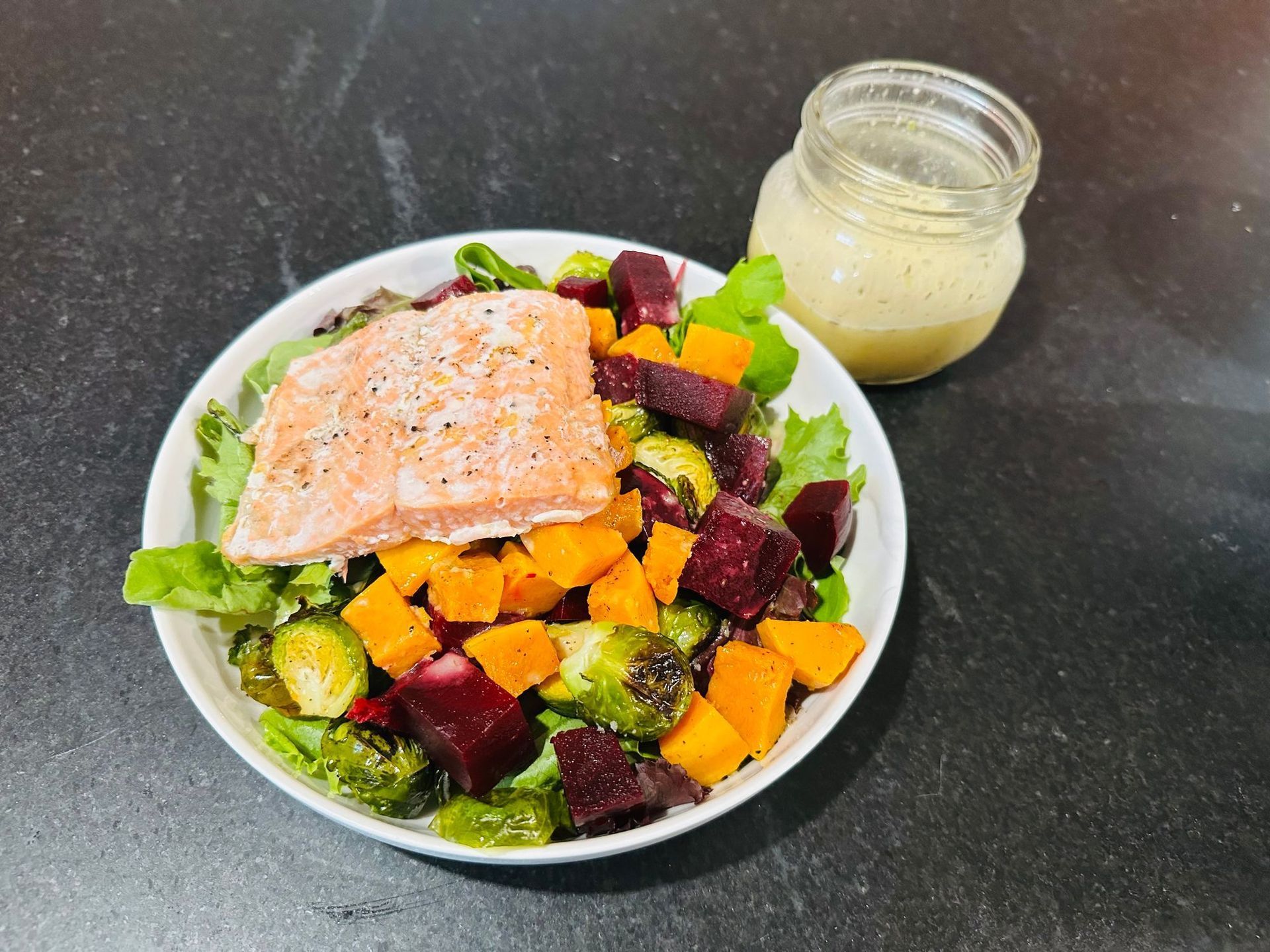
Salmon salad with roasted vegetables in a bowl, with a jar of dressing on the side
By Lauren Hafner, CF-L1 July 7, 2026
Skip the store-bought bottles. These 3 simple, nutrient-packed dressings are AIP & paleo friendly, delicious, and ready in minutes. Learn why homemade matters & how to boost nutrition with every bite.
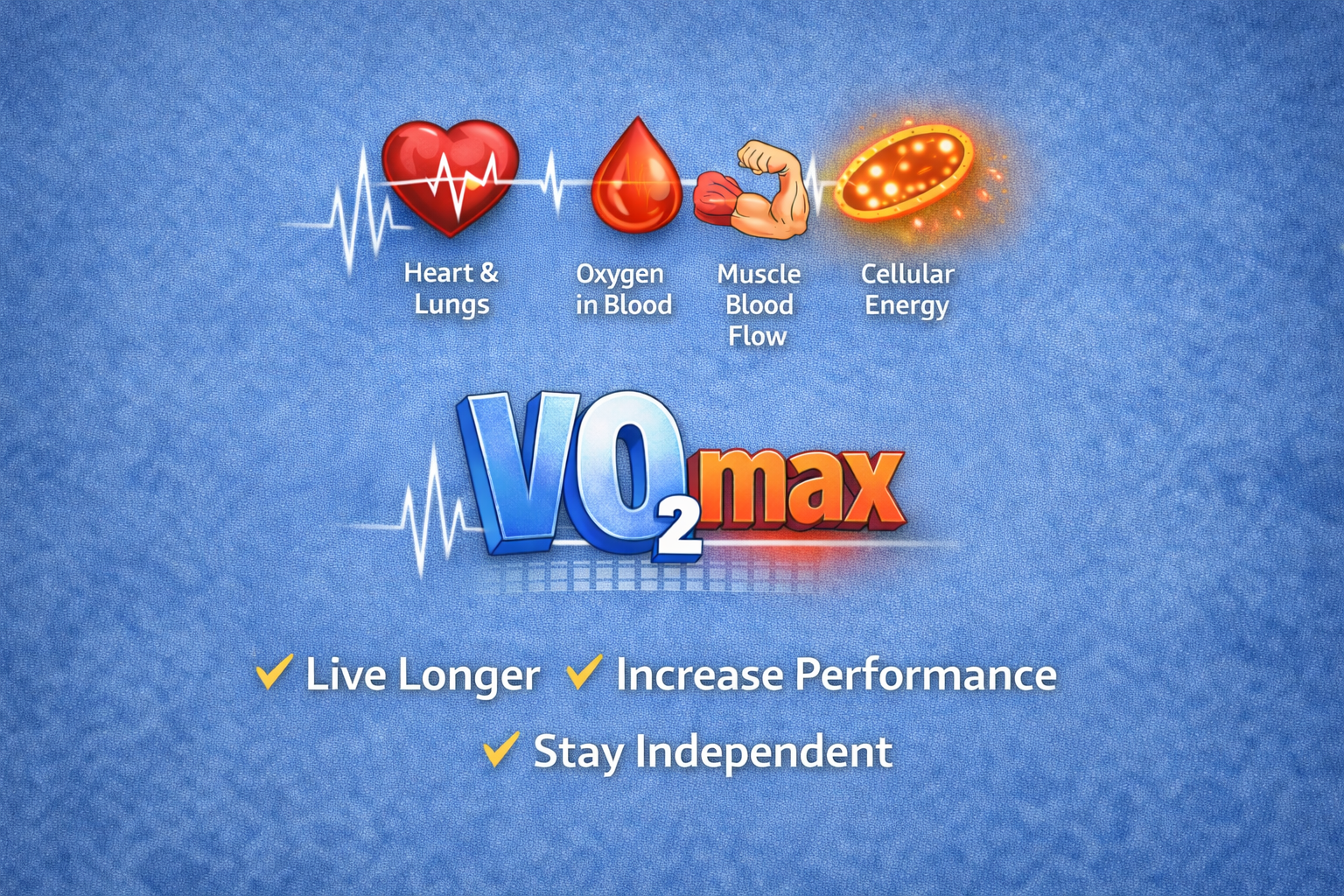
VO2max wellness graphic with heart, brain, lungs and cells icons; “Live Longer, Increase Performance, Stay Independent”
By WALTER M. HAFNER, PT, DPT, CF-L3, USAW-L1 July 7, 2026
VO₂max is one of the strongest predictors of longevity. Learn how it impacts health, aging, and how to improve it through training.

Hikers on a grassy mountain ridge with panoramic blue sky and distant peaks
By Liv Kroll, CF-L1 July 7, 2026
We live in Buena Vista because we love playing outside–but our work in the gym helps set us up for success on our adventures. Discover how CrossFit’s 10 general physical skills directly prepare you for every hike, ride, paddle, and climb. Train smart, adventure harder.