
“Check Yourself Before You Wreck Yourself”: What That Really Means in the Gym

Liv Kroll, CF-L2 • July 7, 2026

As the infamous Ice Cube once said, “check yo’self before ya wreck yo’self.” We have all heard this catchy phrase thrown around in life or perhaps at a regretful night of karaoke. But in a CrossFit gym, it carries more weight than your 1 rep max deadlift! It’s not just a funny line, it’s a friendly and necessary nudge to make choices that support your body, not just your pride. Ego, at its core, is your sense of self-importance. And in the gym, it has a sneaky way of convincing you that every day is the day you must prove something.

Here is an honest question: do you tie your self-worth to your performance in the gym? If you do, you’re definitely not alone. But doing this can show up in ways that don’t actually serve you. Have you ever pushed intensity just to hit “RX,” or watched your neighbor load the barbell and hesitantly think, “Well… I guess I should do that too.” We have all done it, and it might feel good for a moment. But then, after the clock hits zero, the harrowing realization of “I went too hard” hits like a freight train. Ultimately, your body (and probably your coach) might have a different opinion about how you should approach your workouts.

Back in 2019, I was coaching at a CrossFit gym in downtown Denver. Now, imagine a frat house and a 24-hour fitness had a baby and that was the culture fostered at this gym. It was undeniably bro-tastic. Phrases like, “Roll around on the floor or you could have done more,” “If the bar ain’t bendin’, you’re just pretendin’,” and my personal least favorite, “RX or die,” were tossed around like motivational gold. You didn’t just casually notice the ego in that place, you could practically trip over it the moment you walked through the door. As a newer coach just starting to explore competitive CrossFit, I didn’t question it. I completely bought in.

Unsurprisingly, my training began to reflect that mindset. Two to three hour sessions every day became the norm. Strength work, Olympic lifting, one or two high-intensity conditioning pieces, accessory work, and recovery usually meant a double scoop protein shake and then moving on with my day. I was constantly chasing something… more weight on the bar, faster times on the clock, and validation in how I stacked up against more experienced athletes. Listening to my body took a backseat to proving I could keep up. My priorities were totally out of place. 

It didn’t take long for that approach to catch up with me. One day, already fatigued but still pushing for more, I attempted a heavy snatch that I had no business going for in that state. I missed it and “tweaked” my shoulder badly enough that even the motion of a strict press with no weight was painful and put my shoulder in an extremely compromised position (photo below, if you want to see the moment in real time, click here. It happened in one second, but even now, seven years later, my right shoulder still reminds me of that mistake from time to time. A price I wish I never paid. 

Person seen from behind flexing arms in a bright room with a large mirror and window blinds
The aftermath^^

Looking back, there’s a certain irony to it all. My “RX or die” phase lasted about nine months before I hit a wall. Completely burnt out and frustrated, I eventually stepped away from CrossFit entirely for over a year. I was training like I was preparing for the Games, and I only actually ever did one competition at that time. So what was it all really for? That’s the tricky thing about ego. It has a way of disguising itself as drive or discipline. It tells you that more is always better, that pushing harder is the answer. But more often than not, it disconnects you from what actually matters. When ego takes the lead, it rarely ends well.

As we learned from my bro-tastic story, things can go sideways pretty quickly when ego calls the shots. First and most importantly: safety. Chasing numbers or keeping up with others outside our level of fitness often leads to compromised form, not meeting movement standards and unnecessary risk. And let’s be real, no one is winning when they’re sidelined with an injury. It also takes away from what makes our gym so special in the first place: our unique culture and community. We build fortitude for life. It’s about showing up, supporting each other, and building long-term health. Not winning the leaderboard every single day. And when you ignore your coach’s guidance in favor of “just sending it,” you’re missing out on the whole intention behind the workout.

A better approach? Turn the focus back to you. Listening to your body is one of the most valuable skills you can build as a CrossFit athlete, and it gets stronger with practice. At the start of every class before we even start the warmup, the coach discusses the intended stimulus for each and every workout. Hitting that stimulus doesn’t always mean doing it exactly as written. It means doing what makes sense for where you’re at today. Scaling to your unique abilities isn’t a step back, it’s a smart move forward. And if you’re feeling ready to try and push yourself or level up, talk to your coach. Chances are there’s a way to challenge you that still keeps things safe, effective and enjoyable.

At the end of the day, the coaches are on your team. They’re there to help you make progress without burning out, breaking down, or doing something your future self will regret. Trusting and respecting their professional guidance allows you to keep showing up, keep improving, and actually have fun along the way.

Here’s the truth: unless you are winning the CrossFit Games, fitness isn’t about proving how tough you are in one workout. It’s about the journey of building strength, confidence, and resilience over time. Channel your energy into celebrating those small wins just as much as the big ones. After all, “it is often the small steps, not the giant leaps, that bring about the most lasting change.” Sound familiar?! 

So, the next time you walk into the gym, take a breath, channel your inner Ice Cube and CHECK YO’SELF. And maybe leave a little extra ego at the door, you’ll be better for it!

Recent Posts

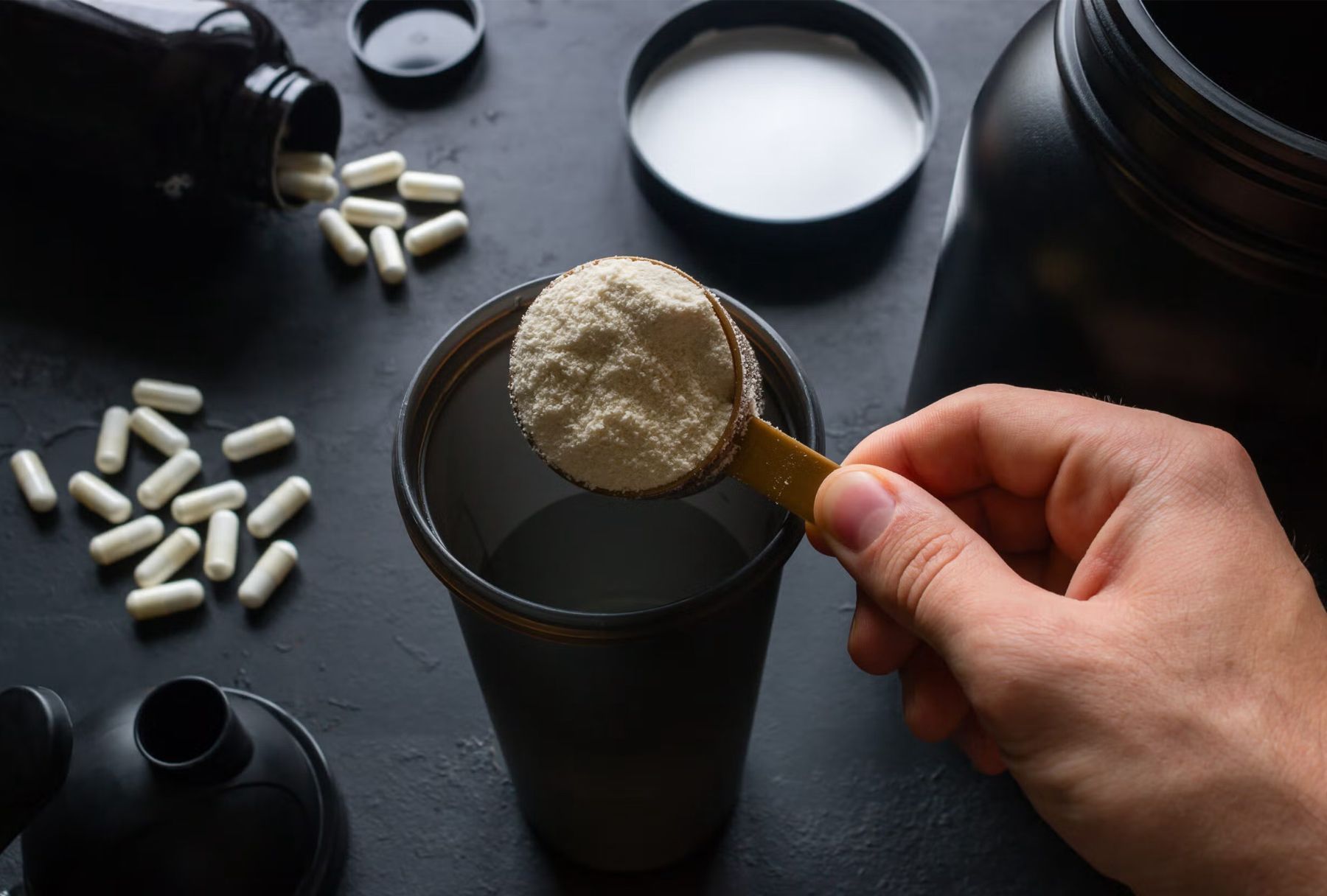
Hand pouring beige protein powder into a black shaker bottle beside capsules and a white drink
By Brian England, CF-L1, PN1-NC; Lauren Hafner, CF-L1; Walter M. Hafner, PT, DPT, CF-L2, USAW-L1 July 7, 2026
Discover how smart supplementation with magnesium, creatine, and protein powder can enhance recovery, boost strength, and support long-term health for athletes. Learn evidence-based strategies to complement a whole-food diet, optimize performance, and address common nutrient deficiencies.
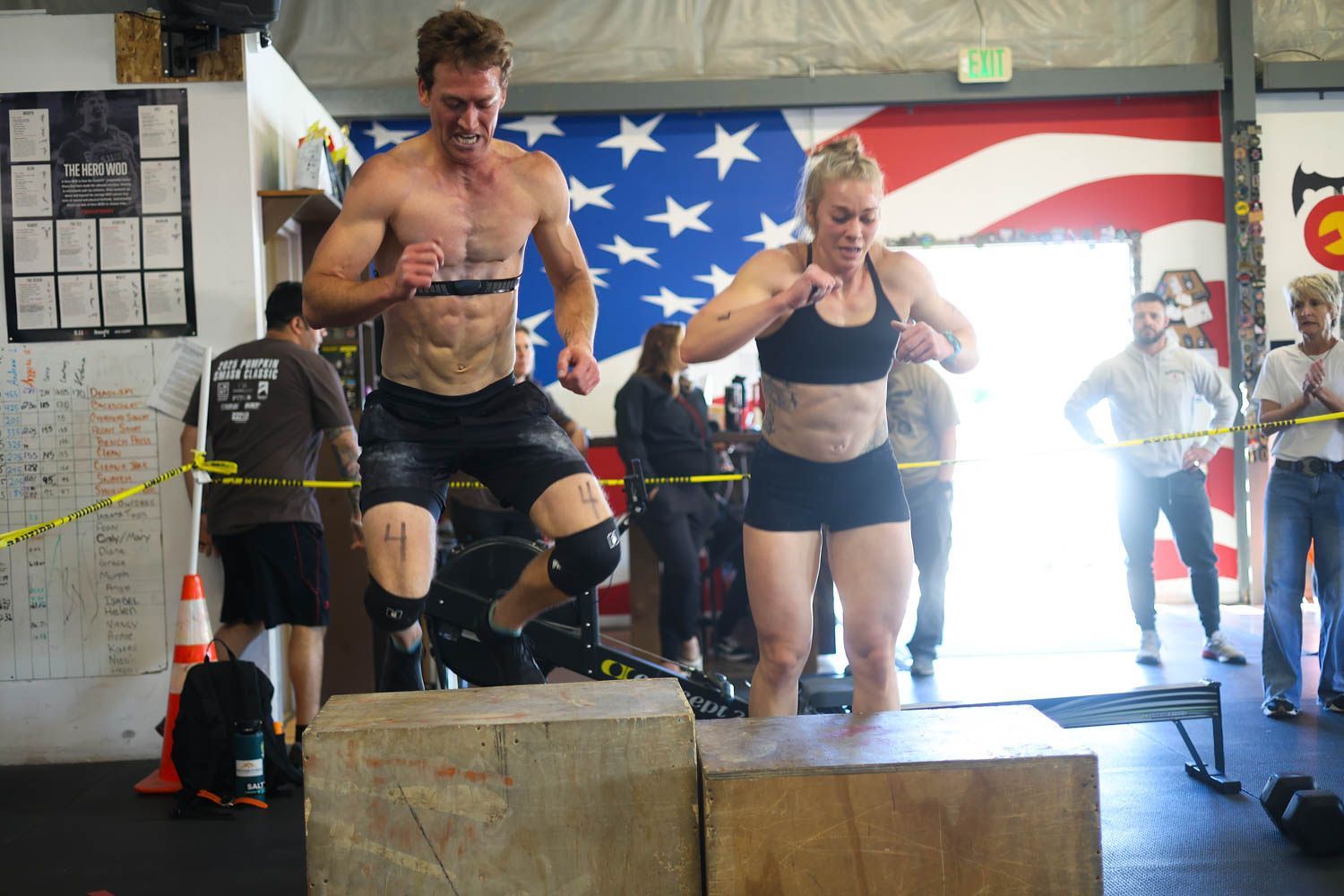
Two athletes jumping over wooden boxes in a competition area with an American flag backdrop at Fortitude Fitness
By Walter M. Hafner, PT, DPT, CF-L2, USAW-L1 July 7, 2026
Discover how to measure your workout intensities using heart rate, lactate thresholds, perceived exertion, and the talk test.

Two sleeping children lying under blankets on a bed, one holding a stuffed toy
By Walter M. Hafner, PT, DPT, CF-L3, USAW-L1 July 7, 2026
Learn why sleep is essential for mental health, hormone balance, recovery, and long-term wellness. Discover the stages of sleep, the science behind circadian rhythms, and practical strategies like the R90 method to improve sleep quality and consistency.
Abstract runners in red, gray, and blue sprinting left to right on a white background
By Walter M. Hafner, PT, DPT, CF-L2, USAW-L1 July 7, 2026
Learn how your muscles create energy at the cellular level. This article breaks down the three energy systems—phosphagen, glycolysis, and oxidative—and explains how they fuel movement, laying the foundation for understanding how different training intensities affect our body.
Baked oat and nut topping in a glass baking dish on a dark countertop
By Lauren Hafner, CF-L2 July 7, 2026
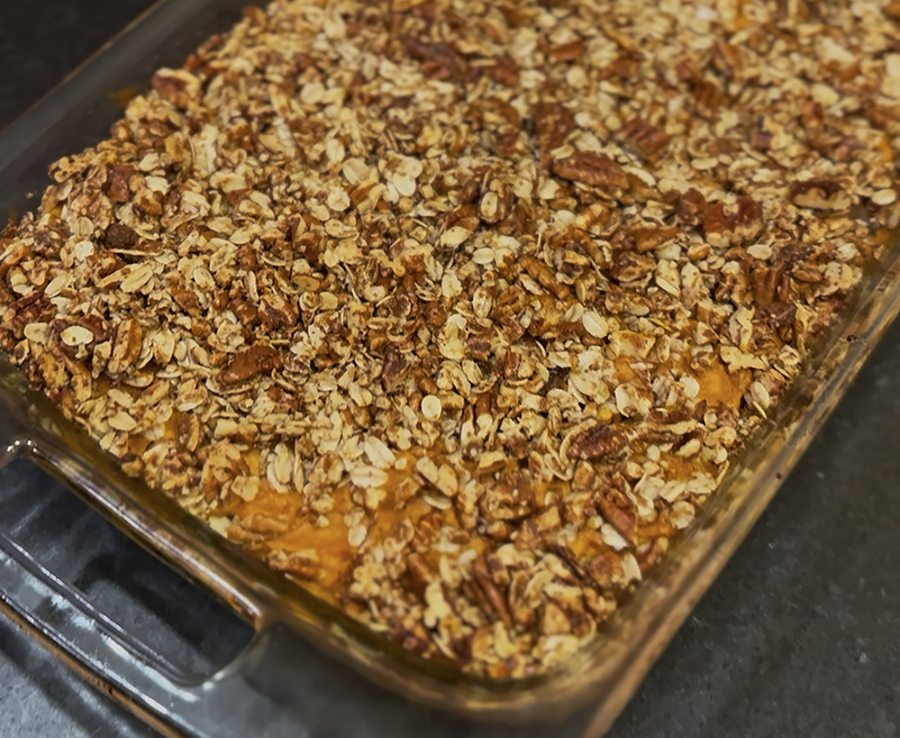
A lighter take on my favorite Thanksgiving side: a gluten-free, dairy-free Sweet Potato Soufflé with a crunchy pecan topping. Less sugar, big flavor. Plus, the history behind sweet potatoes at Thanksgiving and a full nutrition comparison so you can enjoy every bite guilt-free.
Open palm with white circles marking areas to trim on fingers and palm, labeled
By Walter M. Hafner, PT, DPT, CF-L2, USAW-L1 July 7, 2026
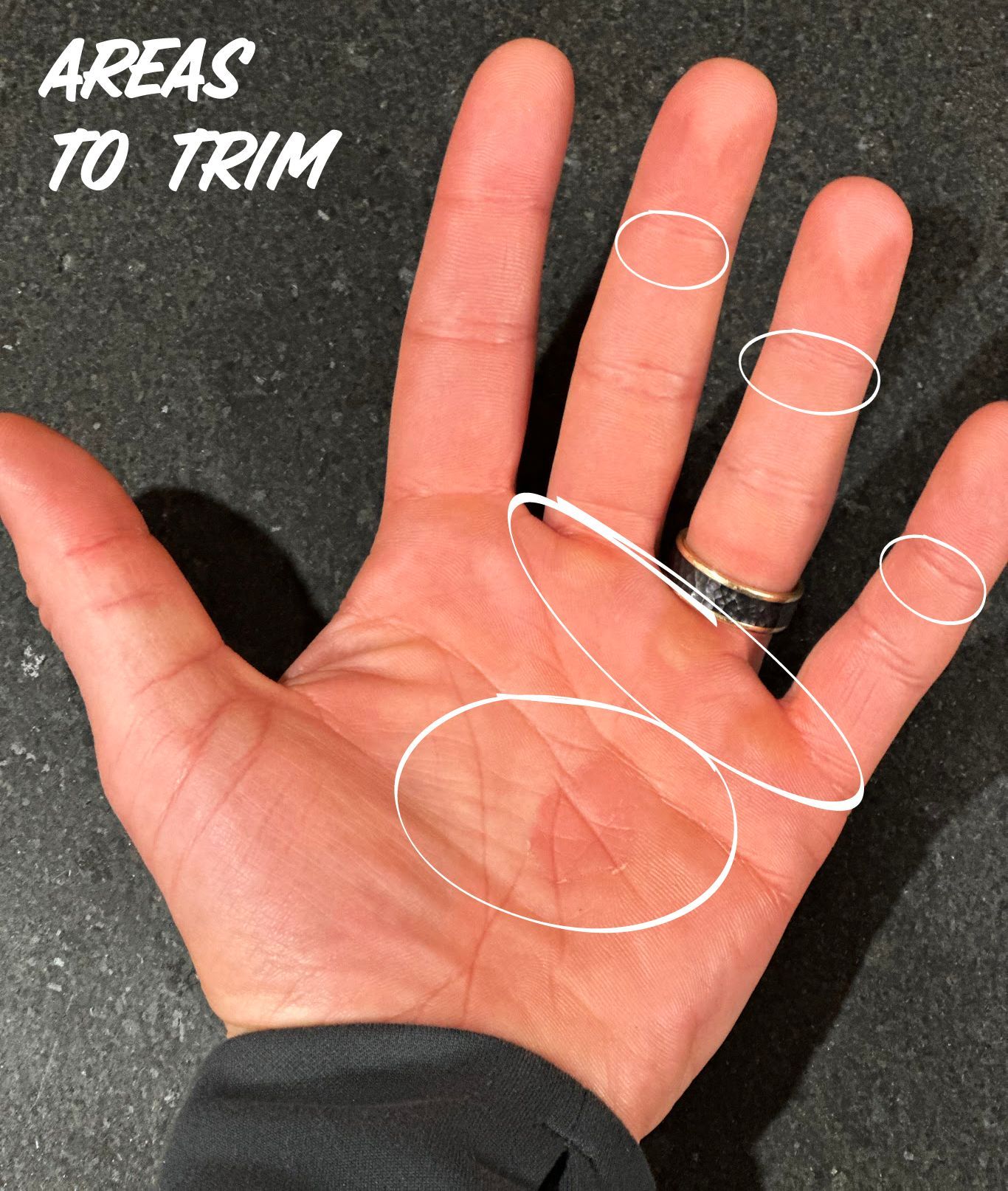
Protect your hands during CrossFit workouts with proper callus management. Learn why trimming calluses is essential, how to do it correctly, and what to do if you rip your skin. Discover the best hand grips and care tips to keep your palms healthy and your training on track.
Ingredients on a counter: shredded chicken, avocado, cilantro, onions, tomatillos, tomatoes, and a can of broth
By Lauren Hafner, CF-L1 July 7, 2026
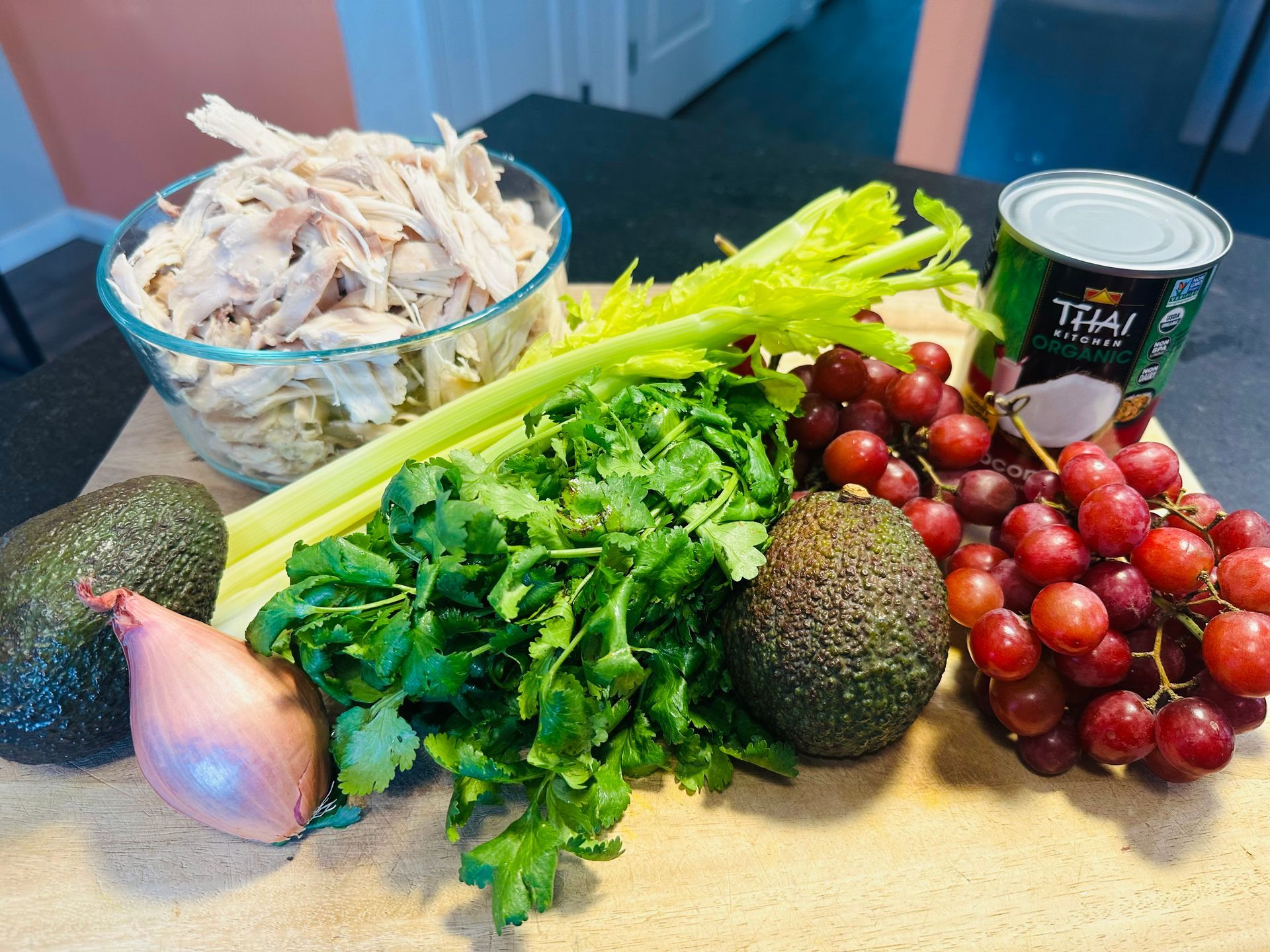
Discover a delicious, nutrient-packed AIP chicken salad recipe inspired by my autoimmune journey. This easy meal supports inflammation reduction and fuels your body with healthy fats and protein. Perfect for anyone navigating autoimmune health or looking for wholesome eats!
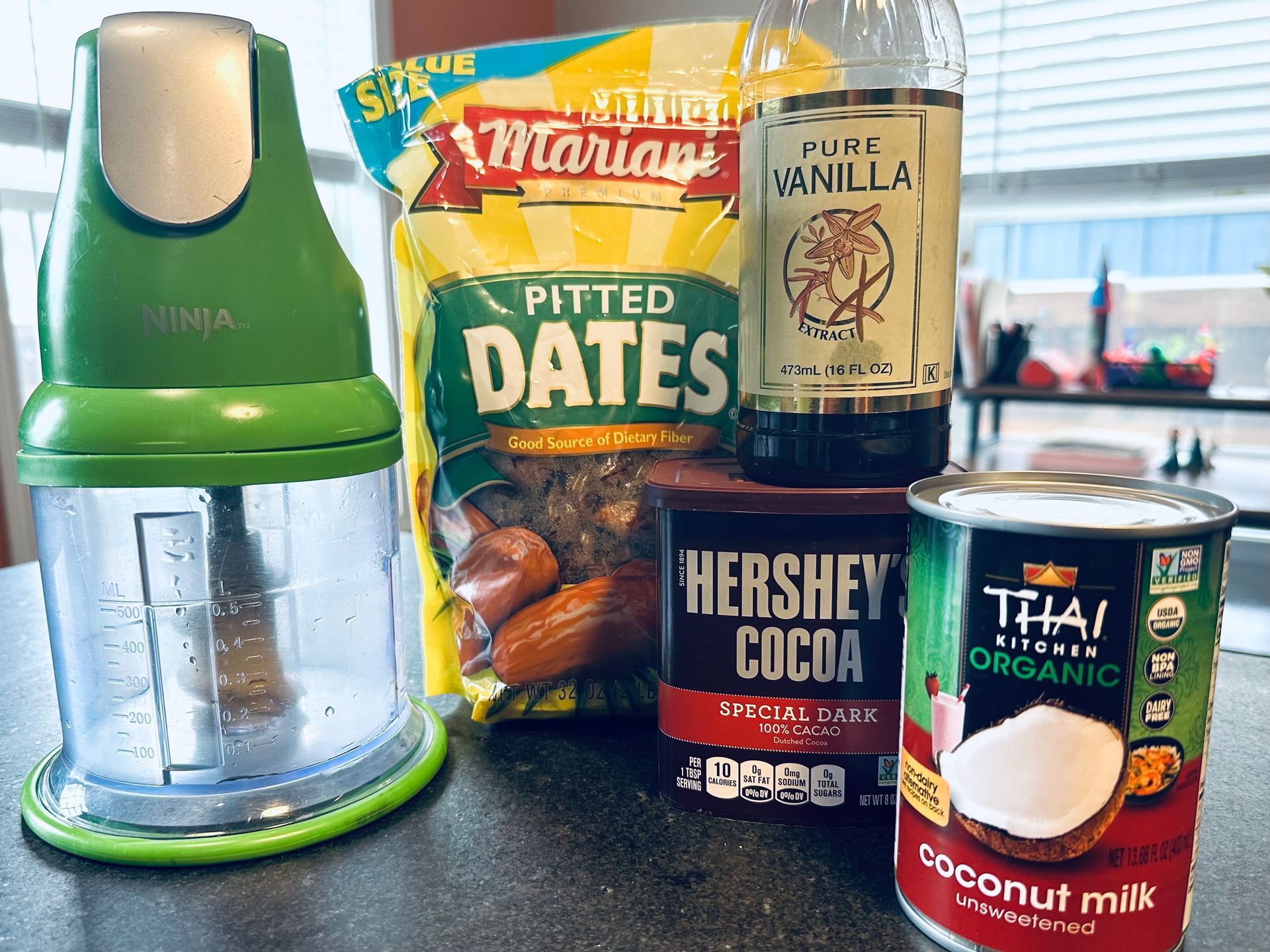
Green citrus juicer beside dates, vanilla, cocoa, and coconut milk ingredients on a kitchen counter
By Lauren Hafner, CF-L1 July 7, 2026
An easy 4-ingredient AIP-friendly dessert.
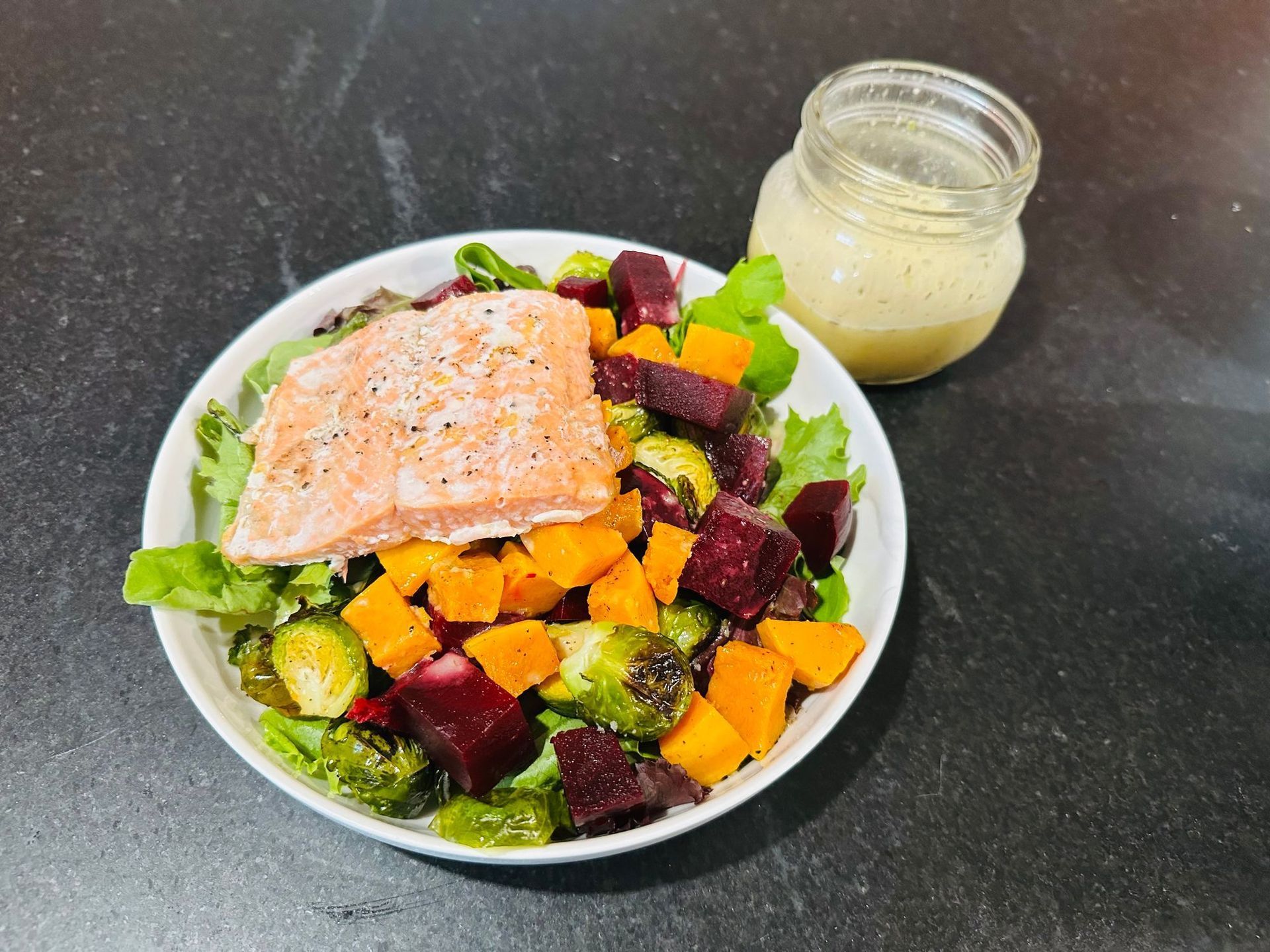
Salmon salad with roasted vegetables in a bowl, with a jar of dressing on the side
By Lauren Hafner, CF-L1 July 7, 2026
Skip the store-bought bottles. These 3 simple, nutrient-packed dressings are AIP & paleo friendly, delicious, and ready in minutes. Learn why homemade matters & how to boost nutrition with every bite.

VO2max wellness graphic with heart, brain, lungs and cells icons; “Live Longer, Increase Performance, Stay Independent”
By WALTER M. HAFNER, PT, DPT, CF-L3, USAW-L1 July 7, 2026
VO₂max is one of the strongest predictors of longevity. Learn how it impacts health, aging, and how to improve it through training.