The Mind-Body Connection

Liv Kroll, CF-L1 • July 7, 2026

Last year, during the CrossFit Open Quarterfinals, I spent more time crying than sweating. In the first two workouts, a tightness formed in my stomach, slowly rose through my chest, then my neck, and finally it felt like it was constricting the back of my throat. Breathing felt impossible. Despite efforts to control my pace and breathe through it, panic set in, and tears followed. I stopped the first workout before the timer ran out, struggled from start to finish for the second, and ultimately dropped out before even attempting the third.

" Well duh, Liv, it was a tough workout. Pain and heavy breathing are part of it! " Sure, the physical intensity contributed to the big feelings in my body. But what most people didn’t know at the time was that I was in the midst of a really tough breakup. My heart was broken, emotions were fragile, and my nervous system was under a lot of stress outside of the gym. The “system overload” in my mind was manifesting physically in my body.

While not everyone is going through a breakup, we all do encounter stress in our lives. A stressor is any situation or stimulus that disrupts our balance, physically or mentally. According to the American Institute of Stress, approximately 33% of people report experiencing extreme stress, 77% feel stress that negatively impacts their physical health, and 73% experience stress that affects their mental well-being.

Stress is a natural part of life, cycling through phases in relationships, family, work, health, and beyond. As humans, it’s inevitable. Living in a constant state of stress can hinder our ability to perform at our best, whether it’s at the gym or in other areas of life. While some of us can bounce back quickly from daily stress, chronic stress increases the risk of injuries or illness. More directly related to fitness, chronic stress can leave us feeling fatigued before we even start a workout. But it doesn’t have to be that way! Just like our bodies need exercise, so do our minds. Incorporating mindfulness into our daily routine can help train our brains to better cope with the inevitable stressors we face. If we can do that, we can maintain a healthy and connected mind and body. 

Mindfulness is a mental state that involves focusing your awareness on the present moment, while calmly acknowledging and accepting feelings, thoughts, and physical sensations. What we experience physically and mentally are closely intertwined. There are countless ways to practice mindfulness, and it is not a one-size-fits-all approach. Lucky for us, we live in a place filled with resources and community that are excellent tools for cultivating mindfulness.

Since moving to Colorado in 2018, one of the most profound lessons I’ve learned is the healing power of nature . And this isn't just a personal sentiment! There are countless studies that link time spent in nature to enhanced mental health and overall well being. Whether you have 10 minutes or an hour, getting outside every day can make a world of difference. Take time to bathe in your surroundings: breathe in the fresh mountain air, feel the warmth of the sun on your skin, and notice the beauty that this special little town has to offer. Being with nature helps to regulate your nervous system, which creates a sense of calm that allows you to navigate stress and stay present in the moment. Plus, a little extra movement outside never hurt anyone! 

Breath work is another powerful tool for managing stress and regulating your nervous system. It’s simple, accessible, and effective anytime, anywhere. Focused breathing can narrow your attention, easing the mind and body in high-stress moments. One helpful technique to start with is the square breathing method: inhale for 4 seconds, hold for 4 seconds, exhale for 4 seconds, and hold out for 4 seconds. Repeat this pattern for several minutes, or until you feel a shift toward calmness.

Meditation is also a well known method for cultivating mindfulness and awareness of your thoughts and feelings. It empowers you to become more in touch with your inner experiences, creating a deeper sense of presence and well being. If you’re new to this, guided meditations are a simple starting point into this type of mindfulness. There are online resources and apps such as Headspace or Calm , They can be great tools to help guide the way, especially if you’re not sure about how to intentionally engage with your mental state.

The mind and body are one connected system, and there’s a strong correlation between mental and physical health. When one aspect starts to diminish, the other inevitably suffers as well. Health and wellness should be viewed as one big picture. When it comes to fitness, it’s important to look at not just the hour spent in the gym , but the other 23 hours of the day too. There could be a variety of factors contributing to your stress. Too much stress leads to fatigue, poor recovery, or a lack of progress despite consistent efforts. Practicing mindfulness will help reduce that stress, improve your mind and body, and ultimately contribute to a higher quality of life!

Recent Posts

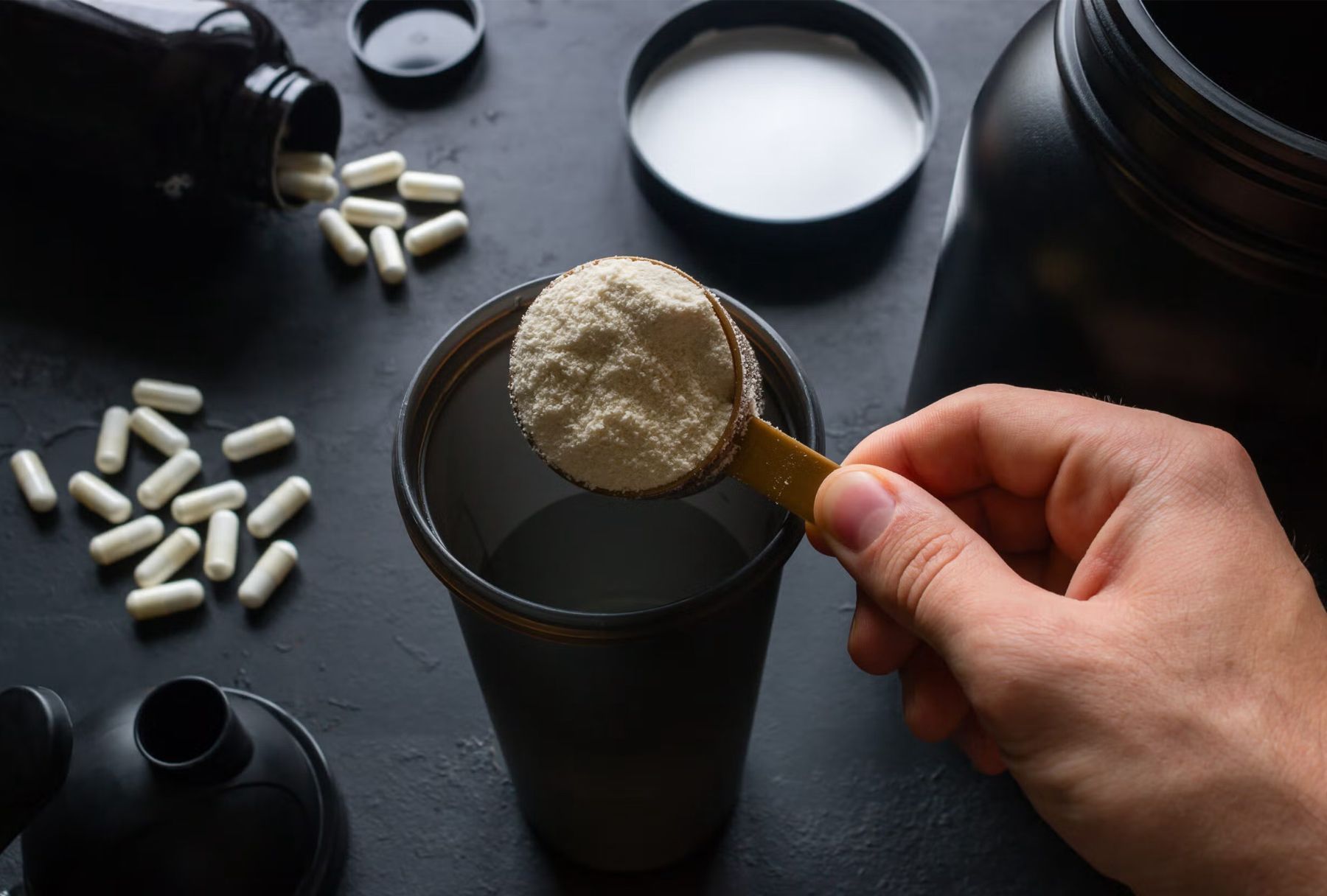
Hand pouring beige protein powder into a black shaker bottle beside capsules and a white drink
By Brian England, CF-L1, PN1-NC; Lauren Hafner, CF-L1; Walter M. Hafner, PT, DPT, CF-L2, USAW-L1 July 7, 2026
Discover how smart supplementation with magnesium, creatine, and protein powder can enhance recovery, boost strength, and support long-term health for athletes. Learn evidence-based strategies to complement a whole-food diet, optimize performance, and address common nutrient deficiencies.
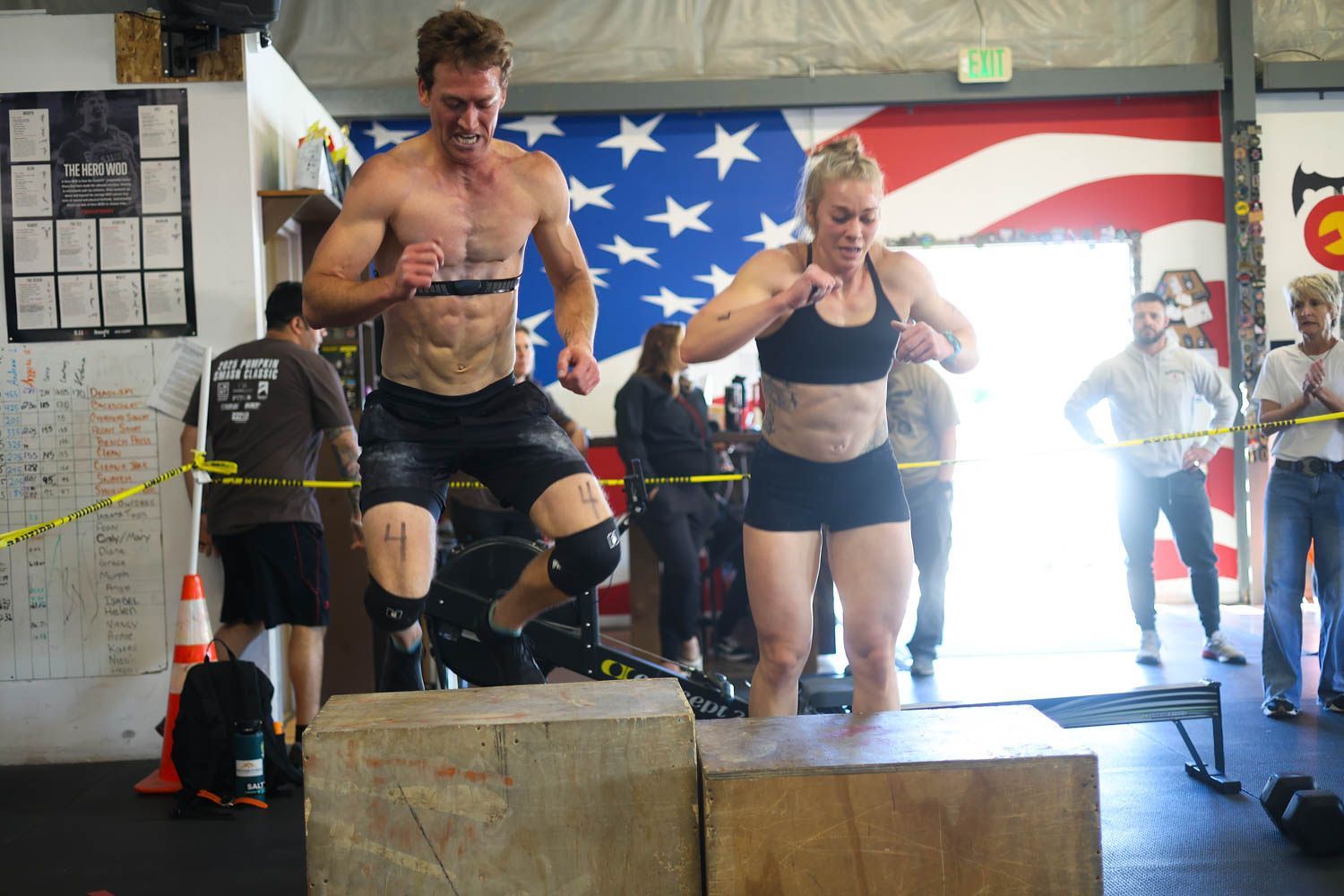
Two athletes jumping over wooden boxes in a competition area with an American flag backdrop at Fortitude Fitness
By Walter M. Hafner, PT, DPT, CF-L2, USAW-L1 July 7, 2026
Discover how to measure your workout intensities using heart rate, lactate thresholds, perceived exertion, and the talk test.

Two sleeping children lying under blankets on a bed, one holding a stuffed toy
By Walter M. Hafner, PT, DPT, CF-L3, USAW-L1 July 7, 2026
Learn why sleep is essential for mental health, hormone balance, recovery, and long-term wellness. Discover the stages of sleep, the science behind circadian rhythms, and practical strategies like the R90 method to improve sleep quality and consistency.
Abstract runners in red, gray, and blue sprinting left to right on a white background
By Walter M. Hafner, PT, DPT, CF-L2, USAW-L1 July 7, 2026
Learn how your muscles create energy at the cellular level. This article breaks down the three energy systems—phosphagen, glycolysis, and oxidative—and explains how they fuel movement, laying the foundation for understanding how different training intensities affect our body.
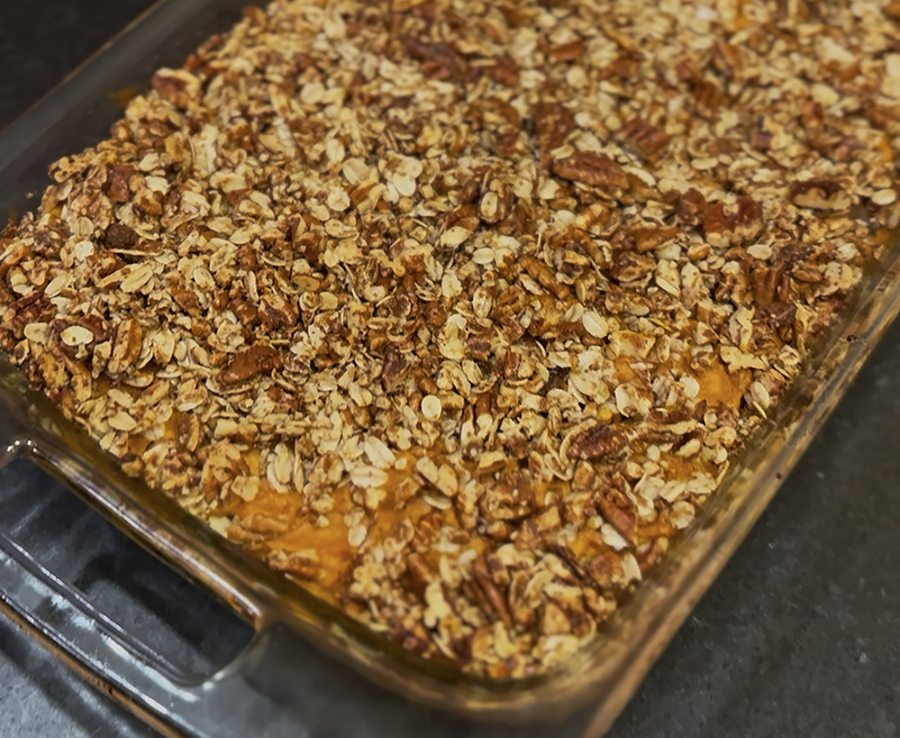
Baked oat and nut topping in a glass baking dish on a dark countertop
By Lauren Hafner, CF-L2 July 7, 2026
A lighter take on my favorite Thanksgiving side: a gluten-free, dairy-free Sweet Potato Soufflé with a crunchy pecan topping. Less sugar, big flavor. Plus, the history behind sweet potatoes at Thanksgiving and a full nutrition comparison so you can enjoy every bite guilt-free.
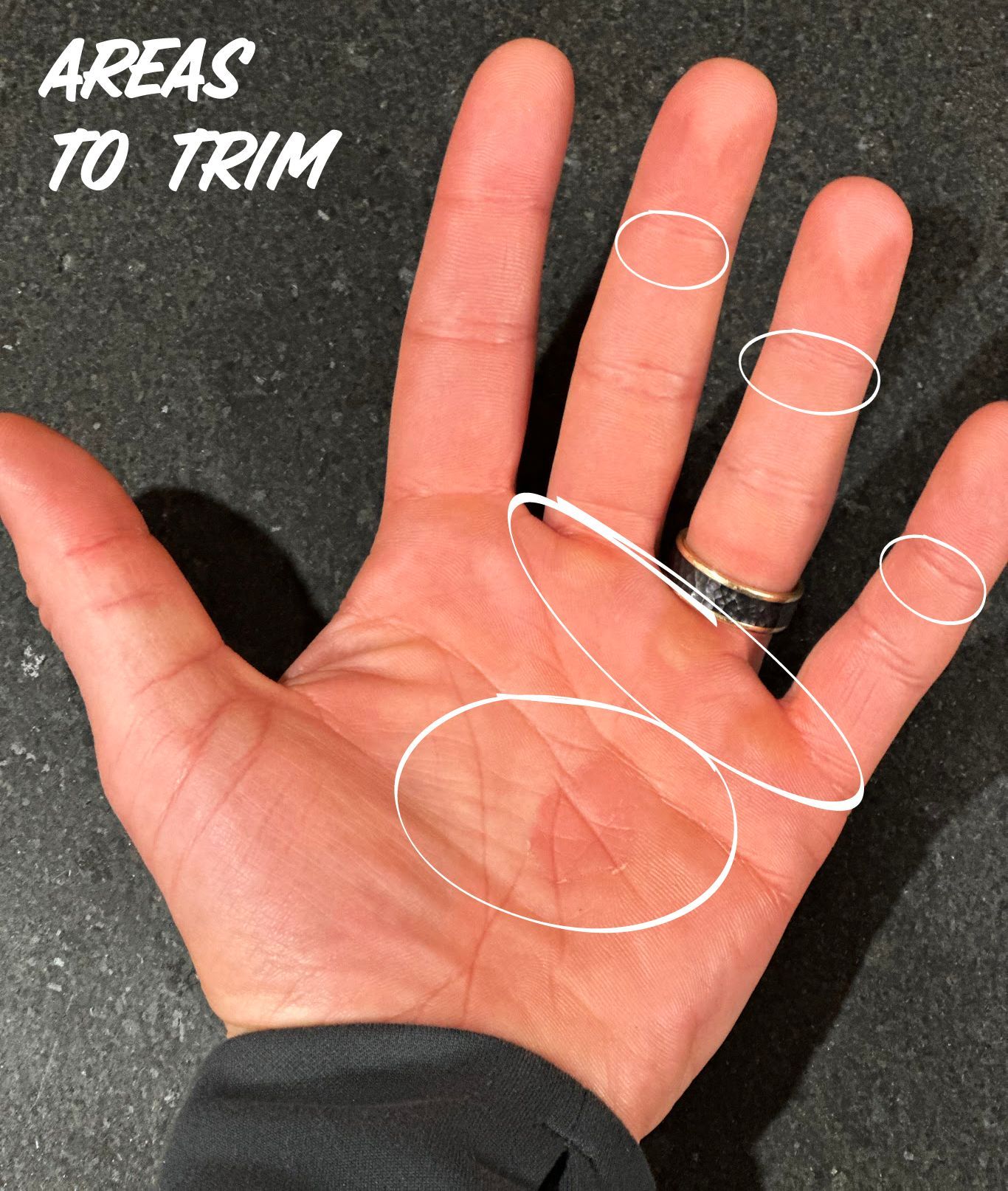
Open palm with white circles marking areas to trim on fingers and palm, labeled
By Walter M. Hafner, PT, DPT, CF-L2, USAW-L1 July 7, 2026
Protect your hands during CrossFit workouts with proper callus management. Learn why trimming calluses is essential, how to do it correctly, and what to do if you rip your skin. Discover the best hand grips and care tips to keep your palms healthy and your training on track.
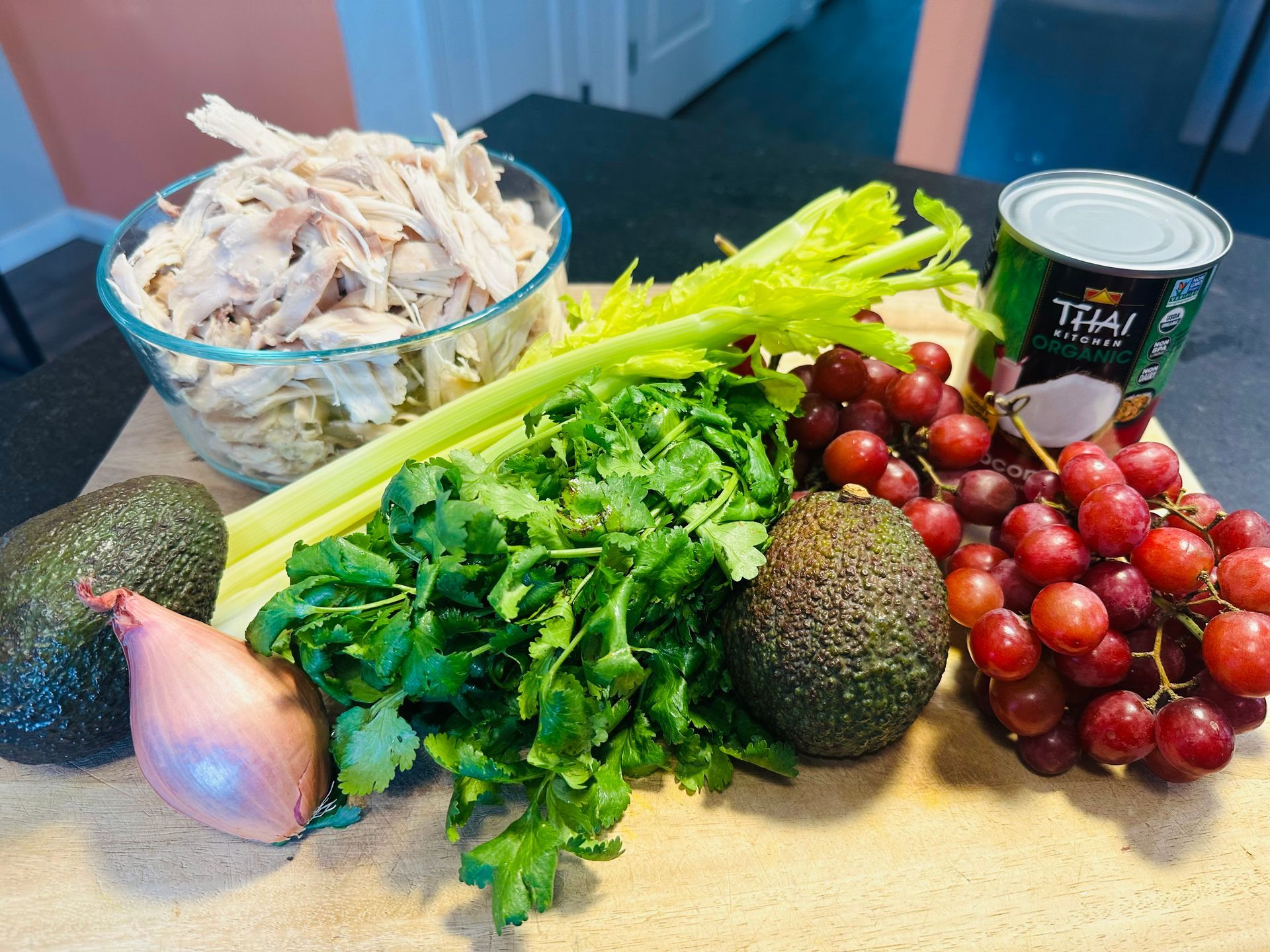
Ingredients on a counter: shredded chicken, avocado, cilantro, onions, tomatillos, tomatoes, and a can of broth
By Lauren Hafner, CF-L1 July 7, 2026
Discover a delicious, nutrient-packed AIP chicken salad recipe inspired by my autoimmune journey. This easy meal supports inflammation reduction and fuels your body with healthy fats and protein. Perfect for anyone navigating autoimmune health or looking for wholesome eats!
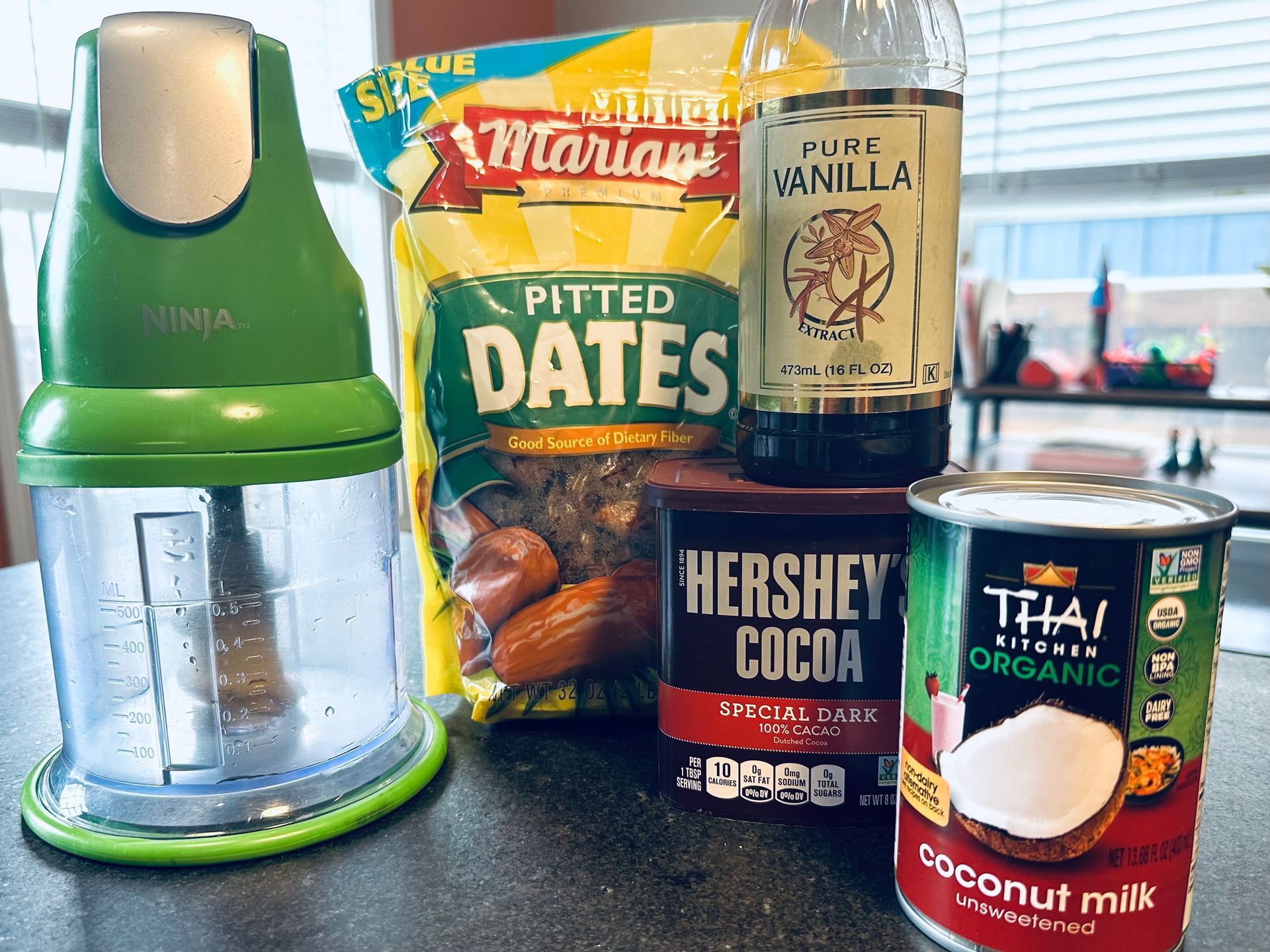
Green citrus juicer beside dates, vanilla, cocoa, and coconut milk ingredients on a kitchen counter
By Lauren Hafner, CF-L1 July 7, 2026
An easy 4-ingredient AIP-friendly dessert.
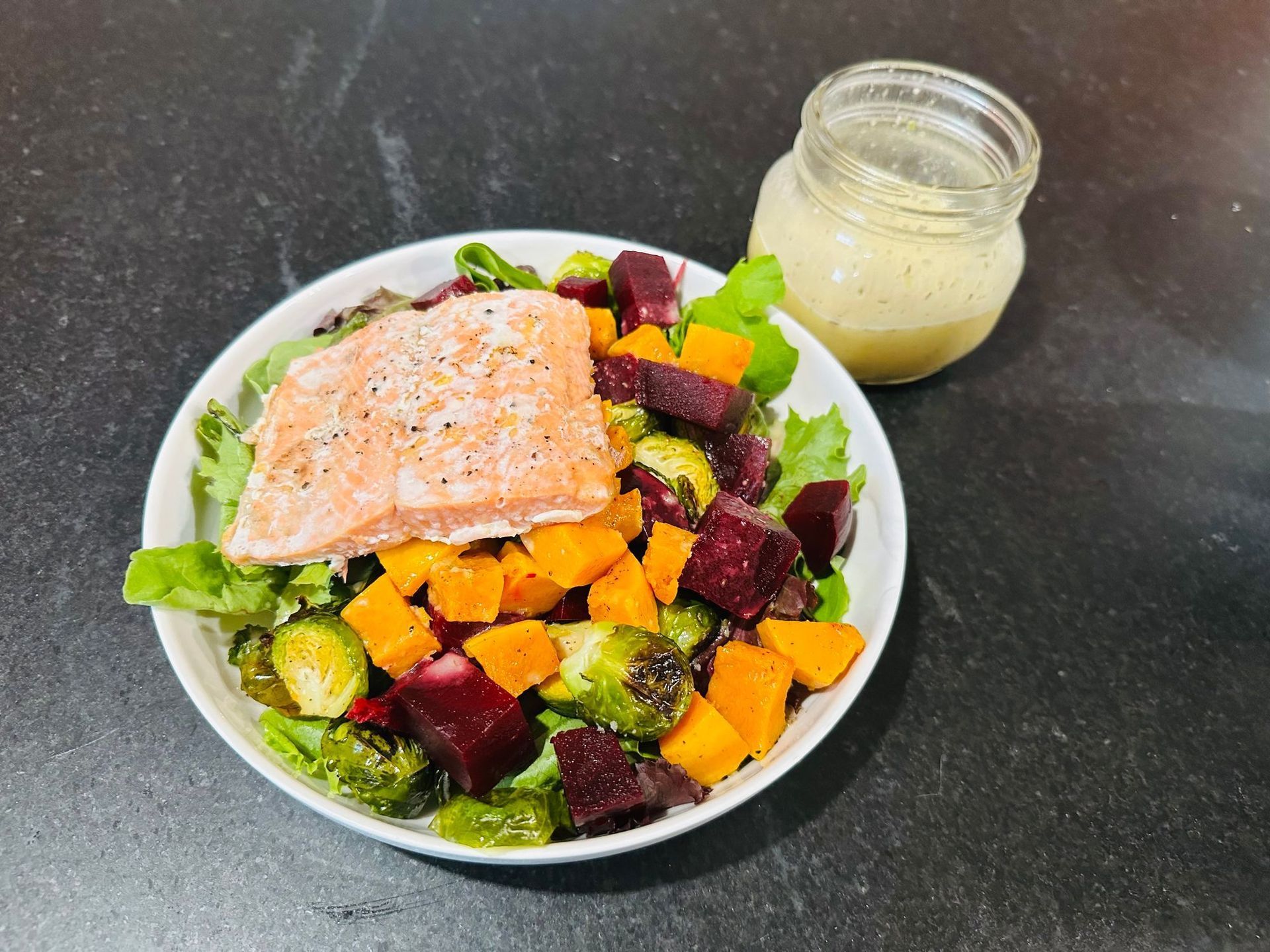
Salmon salad with roasted vegetables in a bowl, with a jar of dressing on the side
By Lauren Hafner, CF-L1 July 7, 2026
Skip the store-bought bottles. These 3 simple, nutrient-packed dressings are AIP & paleo friendly, delicious, and ready in minutes. Learn why homemade matters & how to boost nutrition with every bite.

VO2max wellness graphic with heart, brain, lungs and cells icons; “Live Longer, Increase Performance, Stay Independent”
By WALTER M. HAFNER, PT, DPT, CF-L3, USAW-L1 July 7, 2026
VO₂max is one of the strongest predictors of longevity. Learn how it impacts health, aging, and how to improve it through training.